Holistic Development: Our Commitment to Every Child

In today's rapidly changing world, the importance of holistic development in children cannot be overstated. As educators, parents, and community members, we have a responsibility to nurture every aspect of a child's growth. This commitment goes beyond academics; it encompasses emotional, social, physical, and cognitive development. By fostering a well-rounded environment, we can help children thrive and reach their full potential.
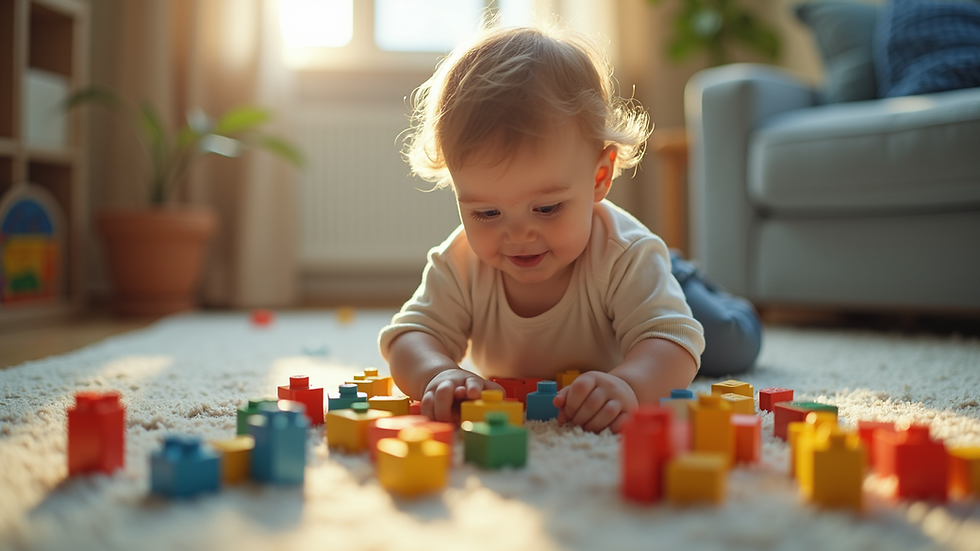
Understanding Holistic Development
Holistic development refers to the comprehensive growth of a child, addressing various dimensions of their being. This approach recognizes that children are not just learners but individuals with unique needs, interests, and abilities. The key areas of holistic development include:
Cognitive Development: This involves the enhancement of a child's thinking, reasoning, and problem-solving skills. Activities that stimulate curiosity and encourage exploration are vital in this area.
Emotional Development: Children must learn to understand and manage their emotions. This includes developing empathy, resilience, and self-awareness.
Social Development: Building relationships and learning to interact with others is crucial. Social skills are developed through play, teamwork, and communication.
Physical Development: This encompasses both gross and fine motor skills. Physical activity is essential for overall health and well-being.
Creative Development: Encouraging creativity through art, music, and imaginative play fosters innovation and self-expression.
The Importance of a Supportive Environment
Creating a supportive environment is essential for holistic development. Children thrive when they feel safe, valued, and understood. Here are some strategies to foster such an environment:
1. Encourage Open Communication
Open lines of communication between children and adults help build trust. Encourage children to express their thoughts and feelings without fear of judgment. This can be achieved through:
Active Listening: Show genuine interest in what children have to say. Validate their feelings and encourage them to share their experiences.
Regular Check-ins: Create opportunities for children to talk about their day, their challenges, and their successes.
2. Promote Collaborative Learning
Collaboration enhances social skills and encourages teamwork. Group activities, whether in the classroom or at home, can help children learn to work together. Consider:
Group Projects: Assign tasks that require children to collaborate and share ideas.
Peer Mentoring: Pair older children with younger ones to foster a sense of responsibility and leadership.
3. Provide Opportunities for Exploration
Children learn best through hands-on experiences. Allow them to explore their interests and engage in activities that stimulate their curiosity. This can include:
Field Trips: Visits to museums, parks, or local businesses can provide real-world learning experiences.
Creative Play: Provide materials for art, music, and imaginative play that encourage self-expression.
The Role of Parents and Educators
Parents and educators play a crucial role in supporting holistic development. Here are some ways they can contribute:
1. Model Positive Behavior
Children learn by observing the adults in their lives. By modeling positive behavior, parents and educators can instill values such as kindness, respect, and perseverance. This includes:
Demonstrating Empathy: Show understanding and compassion in your interactions with others.
Encouraging a Growth Mindset: Teach children that mistakes are opportunities for learning and growth.
2. Foster Independence
Encouraging independence helps children develop confidence and self-reliance. This can be achieved through:
Age-Appropriate Responsibilities: Assign tasks that children can manage on their own, such as chores or homework.
Decision-Making Opportunities: Allow children to make choices about their activities, fostering a sense of ownership.
3. Support Emotional Well-Being
Emotional well-being is a cornerstone of holistic development. Parents and educators can support this by:
Teaching Coping Strategies: Help children develop healthy ways to cope with stress and challenges.
Creating a Safe Space: Ensure that children feel comfortable discussing their emotions and seeking help when needed.
Integrating Holistic Development in Education
Schools play a pivotal role in promoting holistic development. Here are some strategies educators can implement:
1. Curriculum Design
A well-rounded curriculum should address all aspects of development. This can include:
Interdisciplinary Learning: Integrate subjects such as art, science, and physical education to provide a comprehensive learning experience.
Social-Emotional Learning (SEL): Incorporate SEL programs that teach children about emotions, relationships, and decision-making.
2. Extracurricular Activities
Extracurricular activities provide opportunities for children to explore their interests and develop new skills. Schools should offer a variety of options, such as:
Sports Teams: Encourage physical fitness and teamwork through organized sports.
Clubs and Organizations: Provide opportunities for children to engage in activities that align with their interests, such as art, music, or community service.
3. Family Engagement
Engaging families in the educational process is essential for holistic development. Schools can foster this through:
Parent Workshops: Offer sessions that educate parents on supporting their child's development at home.
Community Events: Organize events that bring families together, promoting a sense of community and belonging.
Measuring Holistic Development
Assessing holistic development can be challenging, as it encompasses various dimensions. However, there are effective methods to evaluate progress:
1. Observational Assessments
Regular observations can provide insights into a child's development. Educators can note behaviors, interactions, and engagement levels during activities.
2. Portfolios
Creating portfolios that showcase a child's work and achievements can help track progress over time. This can include:
Art Projects: Samples of creative work that reflect a child's interests and skills.
Written Reflections: Encourage children to write about their experiences and what they have learned.
3. Feedback from Peers and Parents
Gathering feedback from peers and parents can provide a well-rounded view of a child's development. This can be done through:
Surveys: Distribute surveys to parents and peers to gather insights on social interactions and emotional well-being.
Conferences: Hold regular conferences to discuss a child's progress and areas for improvement.
Conclusion
Holistic development is essential for nurturing well-rounded individuals who can thrive in society. By fostering a supportive environment, engaging parents and educators, and implementing effective strategies, we can ensure that every child reaches their full potential. The commitment to holistic development is not just an educational responsibility; it is a community effort that requires collaboration and dedication. Let us work together to create a brighter future for our children, one that embraces their unique strengths and nurtures their growth in every aspect of life.

Comments